
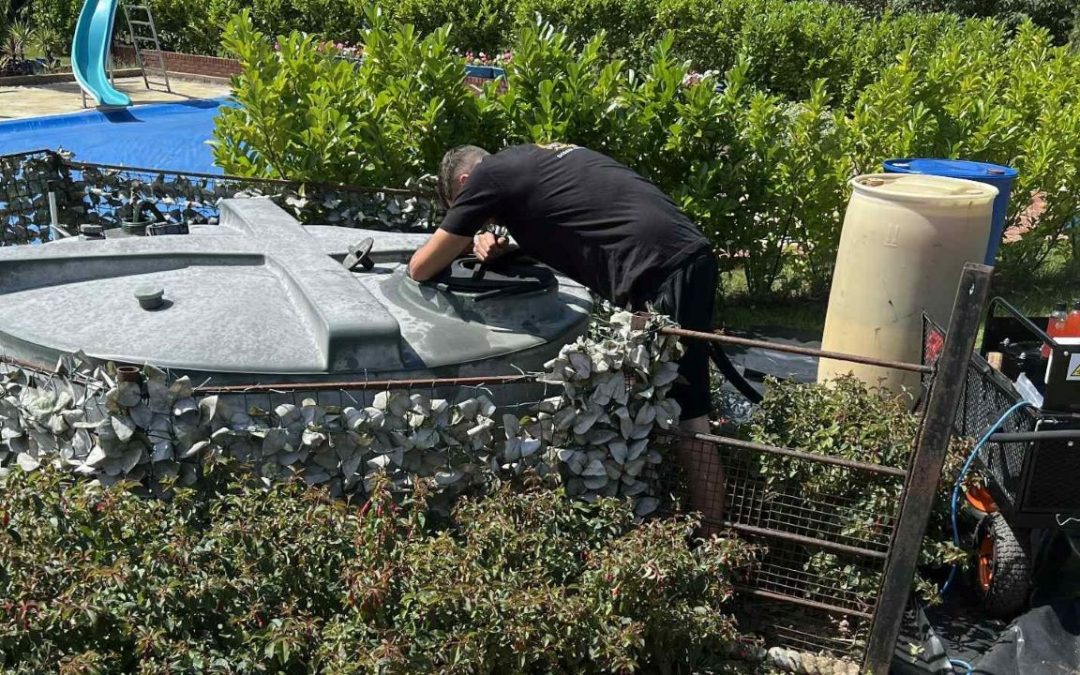
Most boat owners stay on top of regular engine servicing, but the fuel tank is often overlooked until a problem occurs. Over time, water, sludge and diesel bug can build up inside the tank, reducing fuel quality and putting unnecessary strain on the engine.
So, how often should you clean your boat’s fuel tank?
As a general rule, most leisure boats benefit from a professional fuel tank clean every three to five years. However, there’s no one-size-fits-all answer. A boat used regularly throughout the year will have different maintenance needs from one that sits in a marina for long periods, particularly over winter.
Why does fuel contamination occur?
One of the main causes of fuel contamination isn’t poor-quality diesel — it’s condensation.
As temperatures rise and fall, moisture can form inside the fuel tank and settle at the bottom. This creates an ideal environment for diesel bug and other microbes to grow. Over time, this can lead to sludge and other contaminants building up in the tank.
Once the boat is underway, this contamination can be drawn into the fuel system. The result can be blocked fuel filters, poor engine performance and, in some cases, engine failure.
What are the warning signs?
The signs of a contaminated fuel tank can be easy to overlook. You may have a problem if you’re:
- Replacing fuel filters more often than expected
- Experiencing reduced engine performance
- Struggling to start the engine
- Experiencing rough or inconsistent running
If these problems keep occurring, the cause could be inside the fuel tank rather than elsewhere in the fuel system.
Why are boats left unused more at risk?
Boats that spend long periods out of use are particularly vulnerable to fuel contamination.
During winter storage, condensation can continue to build up while diesel naturally degrades. When the boat is eventually used again, years of accumulated sediment and contamination can be disturbed and drawn into the fuel system.
This increases the risk of fuel-related problems at exactly the time you want to get back out on the water.
Can fuel additives prevent contamination?
Fuel additives and diesel biocides can help reduce the risk of contamination, but they can’t remove water, sludge or debris that has already settled in the tank.
Once contamination has taken hold, professional boat fuel tank cleaning is usually the most effective solution.
Regular cleaning removes water, sediment and microbial growth before they can damage components such as injectors, fuel pumps and filters. Compared with the cost of repairing a contaminated fuel system or dealing with an unexpected breakdown, preventative maintenance is a simple way to protect your boat and improve reliability.
When should you have your fuel tank cleaned?
If your boat has never had its fuel tank inspected, or you’re experiencing recurring fuel-related problems, it’s worth arranging a professional assessment.
Keeping your fuel tank clean is one of the simplest ways to support engine performance, reduce the risk of costly repairs and enjoy more time on the water with confidence.
Contact Us – Diesel Brothers
If you’re looking for expert Diesel Decontamination solutions at Diesel Brothers we can provide comprehensive fuel diagnostics and remediation services.
If you’re experiencing persistent system failures, get in contact with us today for a free enquiry, or contact us directly:
01379 430554
info@dieselbrothers.co.uk.