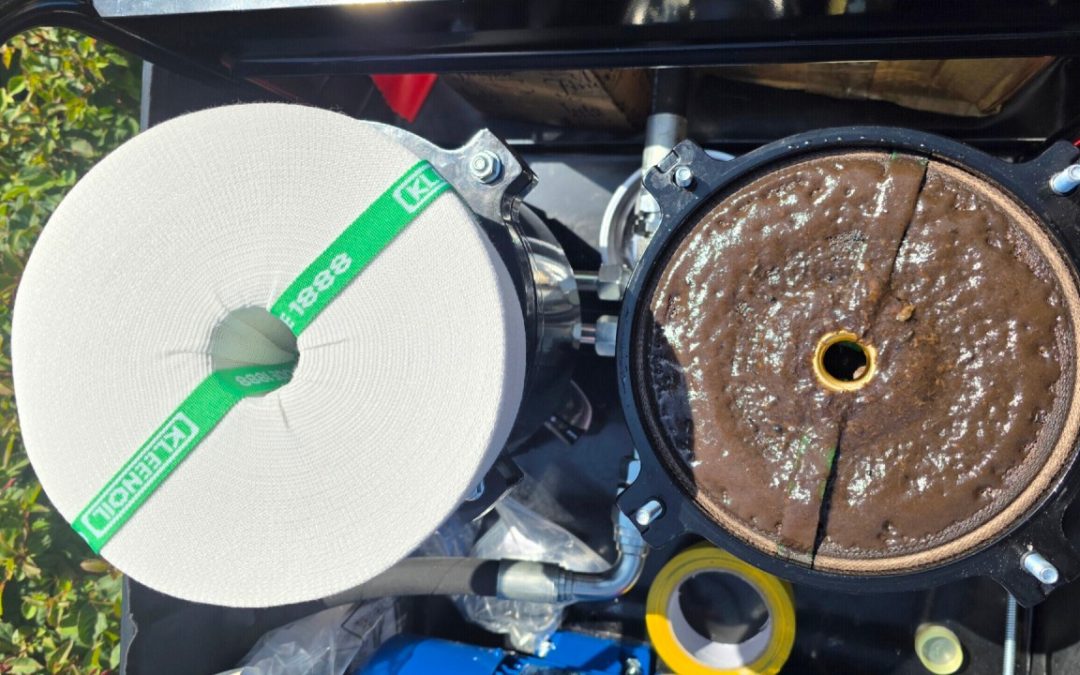
Diesel fuel quality is a critical factor in engine health and heating performance. Contamination often manifests as engine sputtering; this can result in filter blockages, or sudden system failures because of fuel contaminants.
In 2026, the prevalence of these issues is heavily linked to modern fuel compositions, specifically the increase of biodiesel. Which in its properties are more hygroscopic (water attracting) and therefore prone to contamination.
Main Fuel Contaminants
The Diesel Bug
This refers to microbial growth that thrives at the interference where the water meets the diesel. This causes a gelatinous slime that acts quickly in plugging filters.
Water
Moisture enters the tank through condensation or faulty seals. Water not only promotes microbial growth but can also cause corrosion and can damage fuel injectors due to lack of lubricity.
Sludge and Particulates
Over time, diesel can degrade and oxidise, forming dark, heavy sediments. Fine particulates like grit or rust from storage tanks also contribute to abrasive wear on components.
Why Does Fuel Contamination Happen?
The shift towards sustainable fuel blends means diesel now contains more organic matter. These blends are less stable across a long period of time.
- Hygroscopic nature: Biodiesel is described as hygroscopic or water attracting, modern diesel pulls moisture from the air.
- Long-term storage: fuel kept in tanks for long periods is prone to degradation and bug infestation.
- Temperature fluctuations: rapid changes in temperature cause condensation on the inner walls of the fuel tanks.
How to Fix it: Specialist Solutions
Restoring fuel quality requires more than just changing a filter; the root cause in the tank must be addressed. Restoring fuel quality is more than just changing a filter; the root cause in the tank has to be addressed.
Fuel polishing
This is a cleaning process that removes water, sediment, and microbial growth. The fuel is circulated through a filtration system without being removed from the site, restoring it to cleaning standards.
Tank cleaning
If the contamination is severe, the tank itself must be cleaned. This happens with uplifting the fuel entering the tank alongside using high-pressure jets to remove sludge layer at the bottom, and wiping down the internal surfaces.
Heating oil tank servicing
Domestic and commercial heating systems require regular inspections. Servicing includes checking for the structural integrity, removing accumulated water from the tank base, and ensuring the “tiger loop” or supply lines are clear of debris.
Contact Us – Diesel Brothers
If you’re looking for expert Diesel Decontamination solutions at Diesel Brothers we can provide comprehensive fuel diagnostics and remediation services.
If you’re experiencing persistent system failures, get in contact with us today for a free enquiry, or contact us directly: